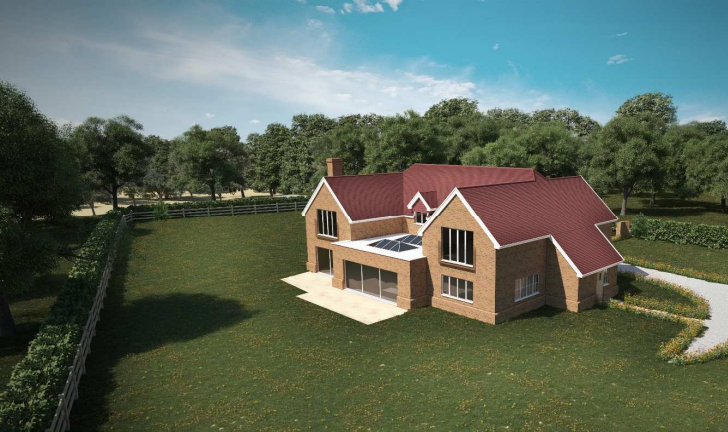
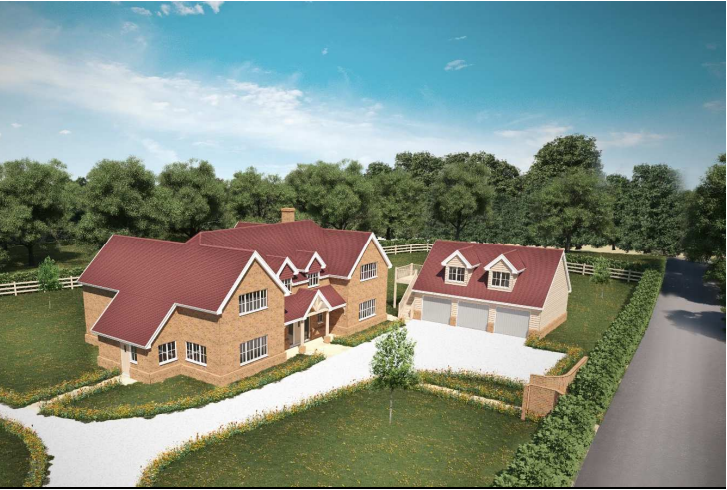
Rushes, St Mary Road
The Brief
The project involves the replacement of an existing bungalow with a new residential dwelling, detached garage, and an upgraded sewage treatment plant at a site on St Marys Road in New Romney. Situated within close proximity to a main river, the proposed development required a detailed flood risk assessment to evaluate the site’s vulnerabilities and support the planning application.
Why the Client Chose RIDA
The client required specialist engineering expertise to navigate strict national planning policies associated with developing a new residential property in a high-risk flood zone. RIDA was chosen for their ability to deliver a detailed flood risk assessment that could provide clear, pragmatic mitigation strategies and successfully demonstrate compliance with the Exception Test under the National Planning Policy Framework (NPPF).
The Challenge
The primary constraint for this site was its location within Environment Agency Flood Zone 3, indicating a high probability of flooding with a 1-in-100 year or greater annual probability. Furthermore, the development was situated within eight metres of a main river, requiring a Flood Risk Activity Environmental Permit. As a ‘More vulnerable’ development, the project was strictly required to pass the NPPF Exception Test. The site also lay within a potential dam breach flooding path, necessitating a robust strategy to ensure the long-term safety of the dwelling’s future occupants during an extreme flood event.
The RIDA Difference
RIDA conducted a detailed flood risk assessment to evaluate the fluvial and tidal threats, establishing robust, site-specific mitigation strategies. Although the site benefits from existing flood defences with a 200-year standard of protection, RIDA assessed the undefended scenario, determining a 1-in-200-year design flood level of 4.55m AOD, inclusive of climate change allowances. To mitigate this risk, RIDA recommended incorporating flood-resilient construction techniques up to the 4.55m AOD mark. Recognising that the proposed ground floor would be below this design flood level, RIDA established an internal ‘safe haven’ by designating sleeping accommodation on the first floor at a minimum elevation of 5.2m AOD. Additionally, RIDA outlined a Sustainable Drainage Systems (SuDS) strategy to manage surface water, identified a safe evacuation route towards Bilsington via New Church Road, and recommended signing up for Environment Agency alerts to inform a formal Flood Warning and Evacuation Plan.
The Outcome
The detailed flood risk assessment successfully demonstrated that the new dwelling would provide wider sustainability benefits by reducing current risks to site users, and could be constructed safely for its 100-year design life without increasing flood risk elsewhere. By detailing the required safe haven, resilient construction methods, and emergency egress routes, the report successfully passed the Exception Test and provided the robust technical evidence necessary to support the planning application.