
Manor Farm, Cuxham
The Brief
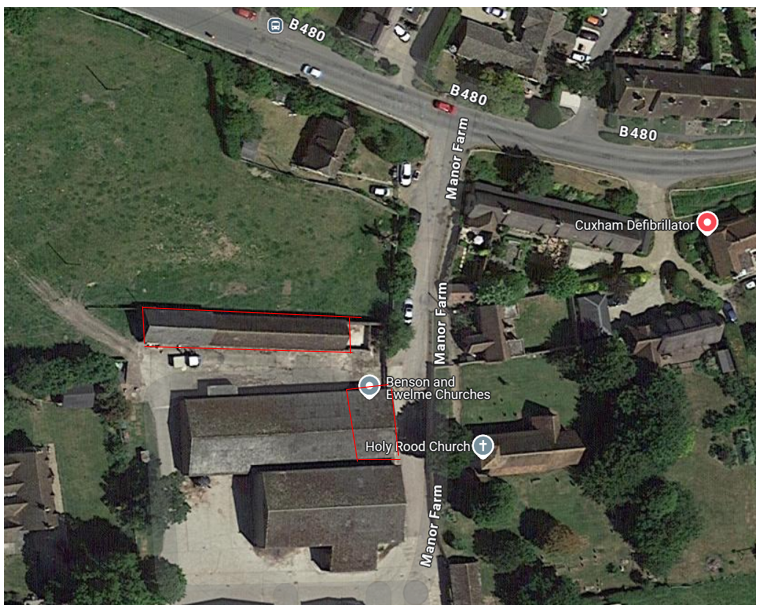
RIDA was appointed to undertake a detailed flood risk assessment for a proposed development at Manor Farm, Cuxham (OX49 5NG). The project involves the change of use of an existing 40-square-metre granary building into a residential dwelling. Classified as a ‘More vulnerable’ development with an estimated lifespan of 50 to 100 years, the site required a robust assessment to evaluate potential flood risks and ensure long-term safety.
Why the Client Chose RIDA
Converting agricultural buildings to residential use often presents unique planning challenges, particularly regarding site access and sustainable drainage. The client required a consultancy with technical expertise in the National Planning Policy Framework (NPPF) to provide a clear, proportional assessment that could facilitate a smooth planning application process without overcomplicating the mitigation requirements.
The Challenge
The primary constraint for this development lay not within the building footprint, but in its connectivity. The granary itself is situated in Environment Agency Flood Zone 1, indicating a very low risk of fluvial flooding from the nearby River Thames tributary. The site also has a very low risk of surface water and groundwater flooding. However, the proposed access route to the dwelling crosses through Environment Agency Flood Zone 3. This required the assessment to carefully address how occupants would safely navigate this high-risk access path during an extreme flood event.
The RIDA Difference
To overcome the site’s specific constraints, RIDA conducted a detailed flood risk assessment that focused proportionally on the identified risks. Because the granary building is in Flood Zone 1 and the site is under one hectare, RIDA demonstrated that an Exception Test was not required and that the dwelling itself did not require specific internal physical flood protection measures.
To address the Flood Zone 3 access route, RIDA highlighted the necessity of a robust Flood Management and Evacuation Plan to ensure safe egress for future occupants. Furthermore, to manage surface water sustainably and protect the underlying principal aquifer, the strategy specified the integration of Sustainable Drainage Systems (SuDS) to ensure there would be no increase in the rate of surface water discharge from the site.
The Outcome
The detailed flood risk assessment successfully demonstrated that the granary conversion can be carried out safely in accordance with NPPF guidelines, local planning requirements, and Environment Agency standards. By clearly separating the low-risk building footprint from the high-risk access route and stipulating an evacuation plan alongside SuDS, RIDA provided the essential technical evidence to support the client’s change-of-use planning application without increasing flood risk elsewhere.