
TUFLOW Flood Modelling Consultants

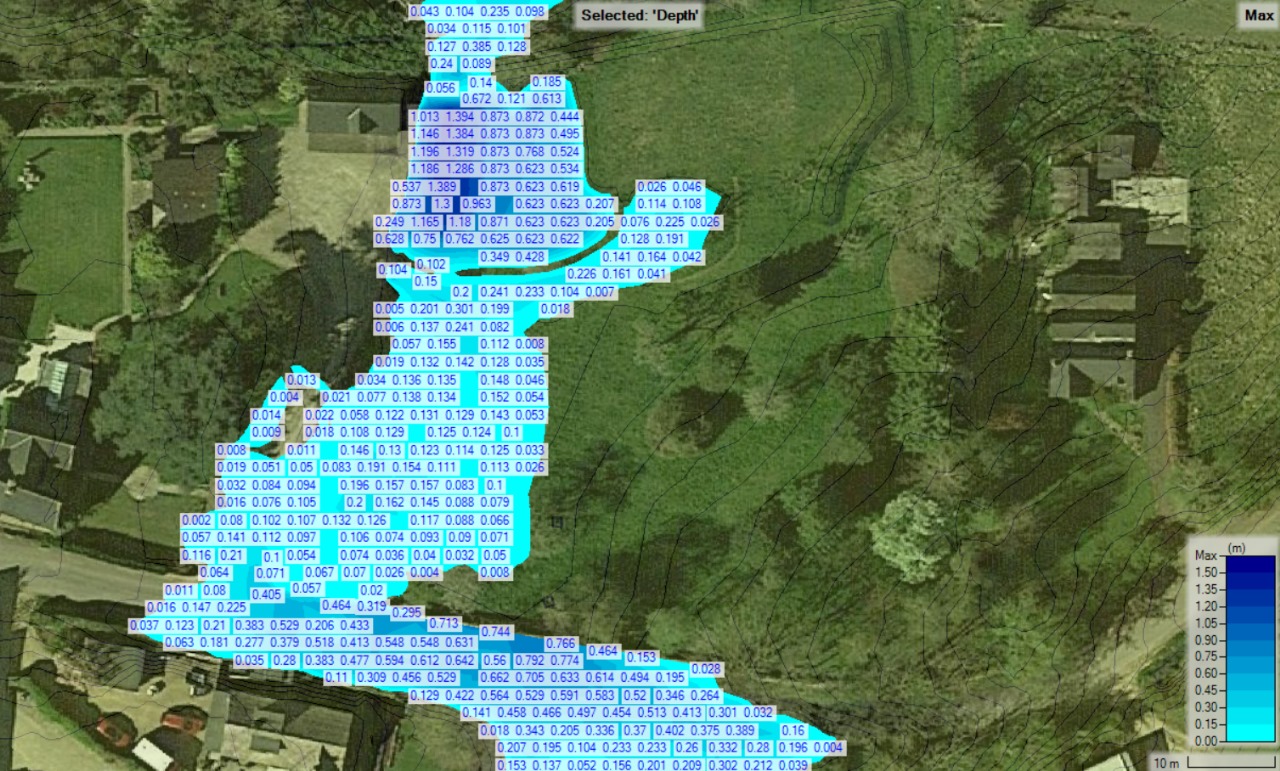
TUFLOW Modelling for Development, Planning and Flood-Risk Decisions
RIDA delivers project-specific TUFLOW work through its broader flood modelling services. We provide consultancy and model delivery rather than software sales, licensing or general training.
Request a TUFLOW Modelling ScopeWhen TUFLOW is the right approach
- Complex 2D floodplain or overland flow
- Fluvial flooding and wider river modelling requirements
- Surface-water pathways in constrained urban sites
- Hydraulic structures and interactions between channels and floodplains
- Linked 1D–2D studies or baseline-versus-development scenarios
For broader fluvial studies, see RIDA’s river modelling service.
Send your site location, project drawings, available model data and required programme so RIDA can define the scope and inputs.
Request a TUFLOW Modelling ScopeWhat You Will Receive
Technical deliverables and their purpose
| Technical deliverable | Purpose |
|---|---|
| Agreed study purpose, model extent, scenarios and assumptions | Defines the commission and identifies required information. |
| New model build, existing-model update or independent review | Provides a project-specific basis for testing flood behaviour. |
| Mapped or tabulated flood extent, depth, velocity, hazard, flow-path or time-series results, as applicable | Informs layout, levels, mitigation and scenario comparison. |
| Technical note or report covering inputs, methods, checks, findings and limitations | Records the evidence for design or technical review. |
Outputs may form part of flood risk assessments for planning permission. Deliverables reflect the agreed scope and do not guarantee a planning or regulatory decision.
Scope, Inputs and Quality Assurance
Information needed to scope or quote
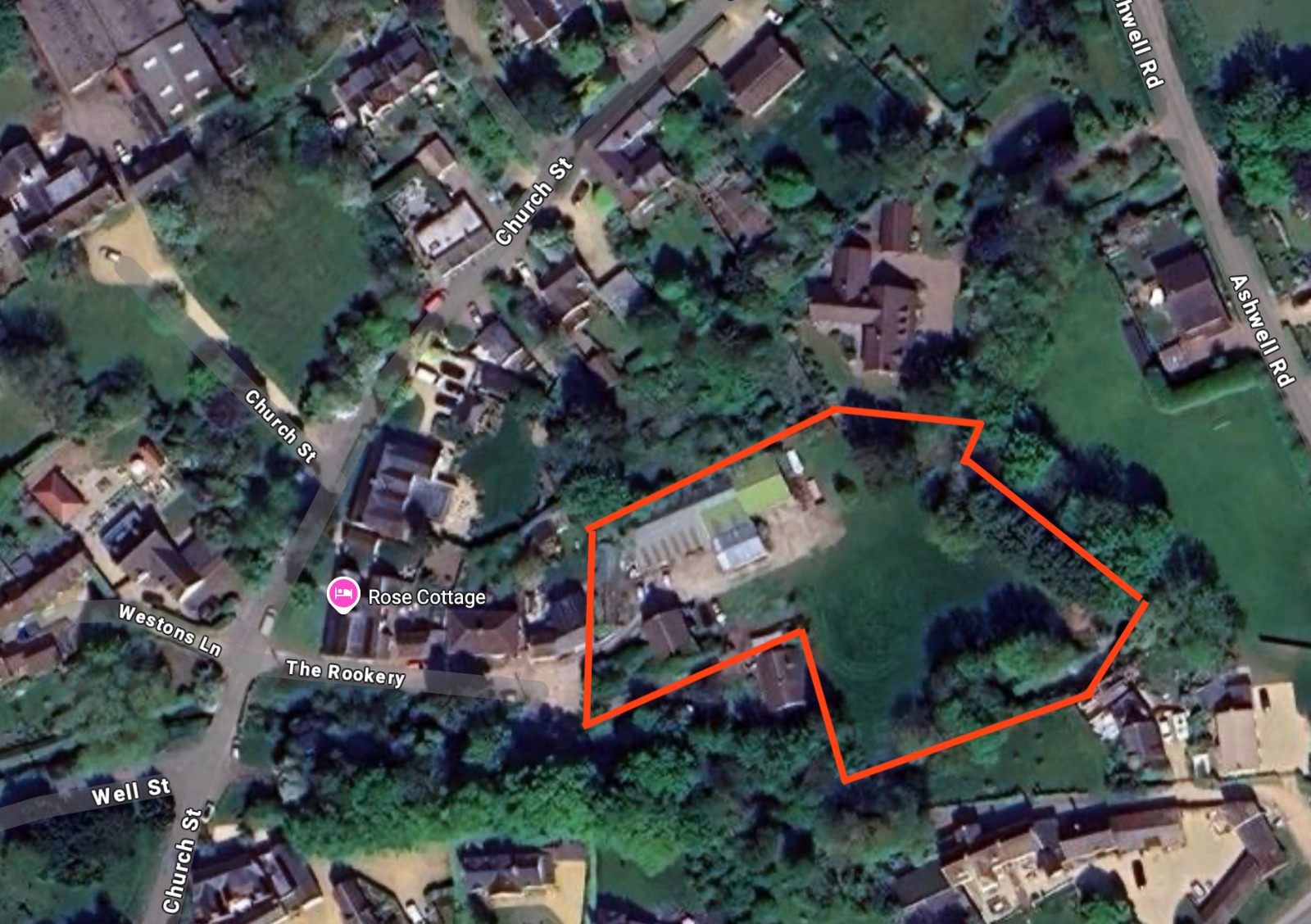
- Site address or red-line plan — to review the site context
- Project objective and programme — to define the work and scenarios
- Proposed layouts and levels — to assess development changes
- Planning or regulator correspondence — to identify the requested evidence
- Topographic, channel, drainage and structure survey data — to assess model geometry
- Hydrology, inflows, boundary conditions, reports and existing models — to review data availability
Clients needing a general overview can read what flood modelling involves. For coupled studies, see the explanation of linked 1D–2D model link lines.
A proportionate, transparent modelling approach
RIDA agrees the model purpose and scenarios, records assumptions and limitations, and applies appropriate stability, mass-balance, sensitivity and version-control checks. Calibration or validation is completed where suitable observed data are available. TUFLOW Classic or HPC selection is based on the model configuration and study needs.
Planning context is reviewed against the Flood risk and coastal change Planning Practice Guidance and the Environment Agency Flood Map for Planning. The flood map provides initial context; it does not replace site-specific assessment. Model scope and reporting take account of Environment Agency hydraulic modelling best practice.
TUFLOW Flood Modelling FAQs
Is TUFLOW modelling suitable for my site or planning requirement?
It may suit projects requiring detailed 2D flow representation, linked 1D–2D modelling or development scenario testing. RIDA will review the study purpose, available data and requested evidence before proposing an approach.
What information do you need to scope a TUFLOW model or provide a fee proposal?
Send the site location, project objective, drawings, programme, planning correspondence and available survey, hydrology, drainage or existing-model data. These records establish model extent, scenarios and data gaps.
What outputs and reporting will I receive?
The agreed package may contain model files, maps, tables, scenario comparisons and a technical report. Exact outputs depend on the study purpose and available data.
Can RIDA review, update or rerun an existing third-party TUFLOW model?
Yes, subject to access to the model files, supporting data, software-version information and prior reporting. An initial review will identify the feasible update or rerun scope.
Discuss Your TUFLOW Modelling Requirement
Send your site address, project objective, programme, drawings, planning or regulator requirements and available model data. RIDA can then confirm the likely scope, required inputs and a fee and programme proposal.
Send Your Project Information