
Drainage Condition Discharge

Technical Support for Your Drainage Condition
RIDA develops approved or outline drainage strategies into the detailed evidence requested by the condition. The scope is based on the exact wording, approved plans, site constraints and any LLFA or LPA comments. The Flood risk and coastal change Planning Practice Guidance provides the national planning context for flood risk and surface water matters.
Get A Free No Obligation QuoteSend your decision notice, condition wording and approved drainage documents for a scope review and project specific quotation.
Get A Free No Obligation QuoteWhat You Will Receive
Technical deliverables
| Deliverable, where applicable | Purpose |
|---|---|
| Condition compliance statement or technical note | Shows how the package addresses the stated condition. |
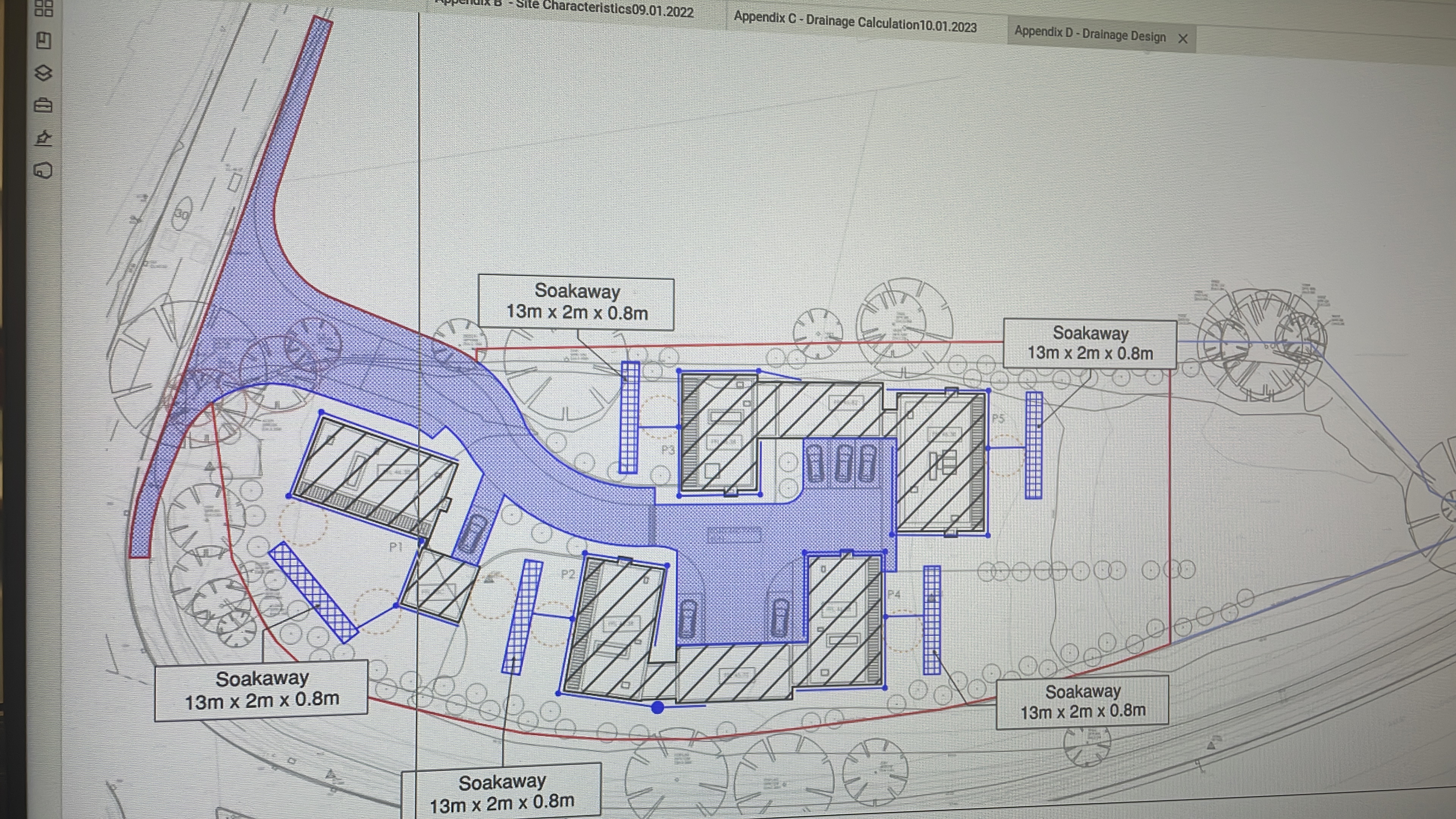
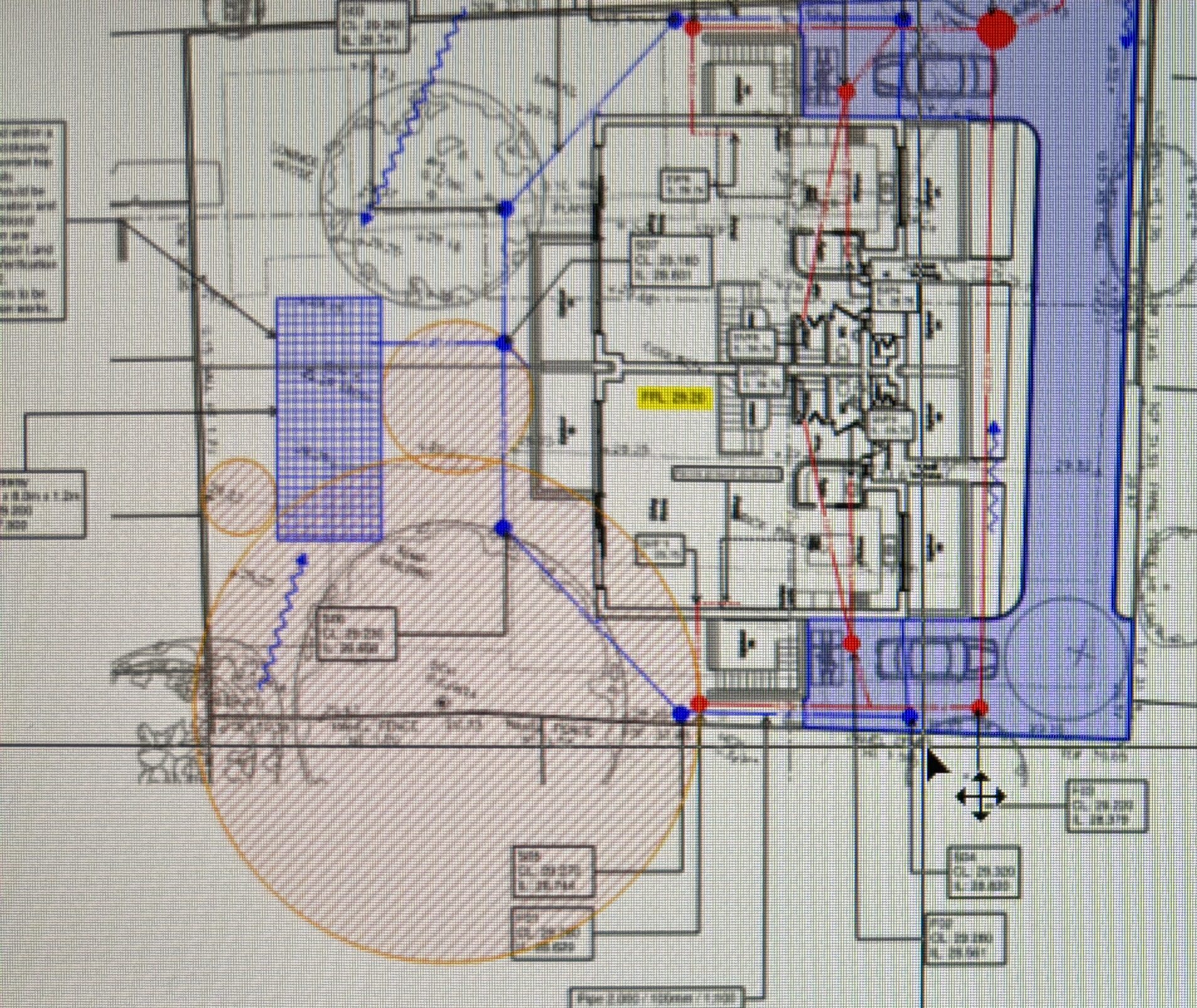
| Drainage layout, levels and exceedance routes | Provides the required detailed drainage design information. |
| Hydraulic calculations, attenuation and discharge controls | Supports technical review of system capacity and discharge rates. |
| Infiltration, outfall and SuDS details | Addresses the proposed drainage route and relevant National standards. |
| Maintenance and management information | Records long term responsibilities and maintenance requirements. |
| Agreed response to technical comments | Supports revision or resubmission within the commissioned scope. |
What this helps you progress
The package provides a technical basis for an application for approval of details reserved by condition. Wider detailed drainage design or SuDS design can be scoped where the existing scheme needs further development. Relevant details can be checked against the National standards for sustainable drainage systems.
Send Us the Condition and Project Information
Information needed to review and quote
- Planning decision notice and exact condition wording, to define the submission requirement.
- Approved drawings and drainage reports, to confirm the accepted scheme.
- Current site layout and levels, to check design coordination.
- Drainage surveys, utilities, infiltration testing and sewer or outfall information, to confirm available evidence.
- Previous LLFA or LPA comments, to identify requested revisions.
- Target programme, to identify any pre-commencement deadline.
Common technical gaps to resolve
Unsupported infiltration assumptions, unresolved outfalls, inconsistent drawings, missing maintenance responsibility and incomplete calculations can lead to further technical queries. RIDA reviews relevant LLFA drainage requirements and applies the relevant peak rainfall climate change allowances where required by the condition and current guidance.
Drainage Condition Discharge FAQs
Can RIDA review my exact drainage planning condition before quoting?
Yes. Send the decision notice, condition wording and approved drainage information. RIDA can identify the likely technical scope, available evidence and information gaps before providing a project specific quotation.
What documents and site information do you need?
Provide the approved plans and reports, current layout and levels, drainage records, survey data, infiltration results, outfall information and any authority comments. The required documents vary with the wording and site constraints.
Will I receive drainage drawings, calculations and a maintenance plan?
These are included where required by the condition and agreed scope. RIDA will confirm the deliverables after reviewing the planning documents and available technical information.
Can RIDA respond to LLFA or local planning authority comments?
Yes, where response and revision support forms part of the commission. Extra surveys, testing, third party agreements or design changes may need a separate scope.
Request a Drainage Condition Review
Send the decision notice, exact drainage condition and available approved information. RIDA will review the technical scope and provide a project specific quotation. Authority approval, decision dates and resolution of comments cannot be guaranteed.