
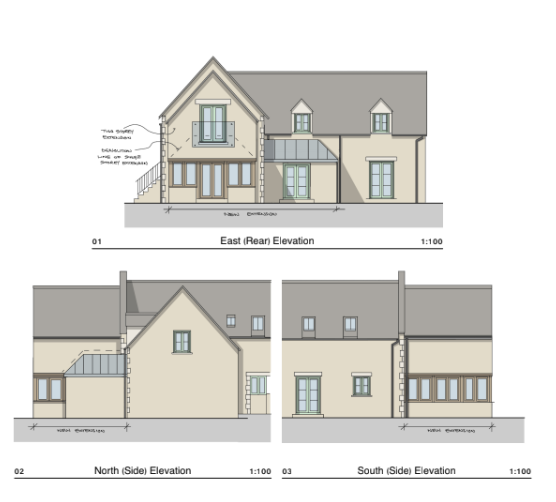
Lincroft Stables Clapton Row Bourton-on-the-Water
The Brief
RIDA Reports was appointed to conduct a detailed flood risk assessment for a proposed development at Lincroft Stables on Clapton Row in Bourton-on-the-Water,. The project involved the alteration and extension of an existing residential property, encompassing a total development area of approximately 500 square metres. The assessment was required to evaluate the site’s flood vulnerability, ensure no increase in flood risk elsewhere, and establish sustainable flood management measures.
Why the Client Chose RIDA
To secure planning compliance for a residential extension within a highly sensitive flood area, the client required specialist technical support. RIDA was chosen for our established expertise in navigating complex national planning policies and our ability to develop practical, compliant flood risk strategies tailored to the unique constraints of domestic developments.
The Challenge
The site presented a complex flood risk profile, situated approximately 50 metres from the River Windrush. It was classified as falling within Environment Agency Flood Zone 3a, indicating a high probability of fluvial flooding with a 1 in 100-year annual probability. Furthermore, British Geological Survey data highlighted a high risk of groundwater emergence at the site. A significant site-specific constraint was the inability to raise the new extension’s Finished Floor Level (FFL) to the standard recommended height of 300mm above the design flood level due to existing access and architectural limitations.
The RIDA Difference
RIDA formulated a comprehensive approach to meet National Planning Policy Framework (NPPF) requirements, confirming the minor extension fell within standing advice parameters and was therefore appropriate for the area. To address the impossibility of raising the FFL, we specified a robust ‘water exclusion strategy’ designed to keep water out,. To combat the high fluvial risk, we recommended the use of flood-resilient materials, including sealed concrete block foundations, solid external walls with cement-based renders, and the elevation or sealing of essential services. To specifically manage the high groundwater threat, our strategy incorporated a tanking membrane up to 200mm above ground level, the creation of dedicated groundwater flow paths around the extension, and raised ground floor thresholds. We also integrated a Sustainable Drainage Systems (SuDS) approach to ensure surface water runoff would not be increased.
The Outcome
The detailed flood risk assessment successfully demonstrated that the proposed extension could be developed safely and sustainably for its design life without increasing flood risk in the surrounding area. By providing a clear, evidence-based mitigation and resilience strategy, alongside a recommendation for a formal Flood Warning and Emergency Response Plan, the report comprehensively satisfied the requirements of the Environment Agency and the local planning authority.