
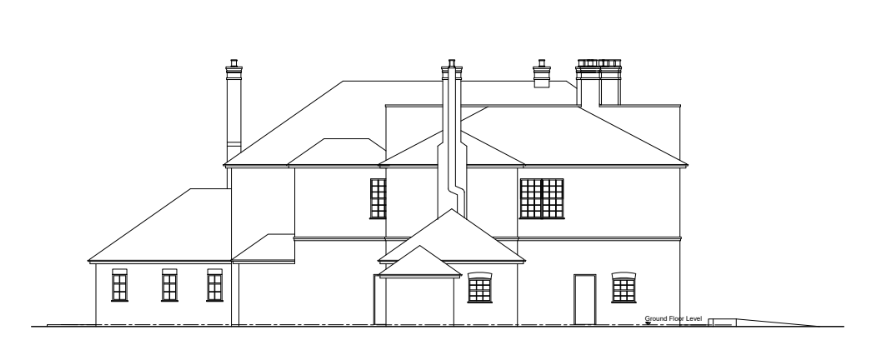
Mead House, Hayes End Road
The Brief
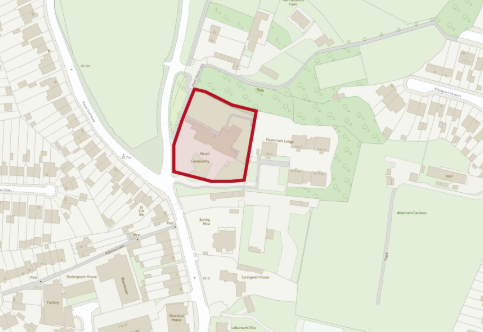
RIDA Reports Ltd was appointed to undertake a detailed flood risk assessment for a proposed development at Mead House, Hayes End Road, Hayes (UB4 8EW). The project involves the alteration, refurbishment, and rear infill extension of an existing purpose-built medical centre across the ground, first, and second floors. The development’s vulnerability classification is categorised as ‘More vulnerable’, with an estimated design life of 50 to 100 years.
Why the Client Chose RIDA
Repurposing and extending a commercial property into a ‘More vulnerable’ classification demands rigorous environmental compliance. The client required a specialist consultancy capable of delivering a detailed flood risk assessment to seamlessly navigate national planning policies and accurately evaluate site-specific hazards. RIDA was selected for its proven expertise in providing precise technical evidence and establishing secure, site-specific flood risk management strategies.
The Challenge
The site was evaluated for multiple potential sources of flooding using Environment Agency data and local Hillingdon flood maps. The primary characteristic defining the site’s flood profile is that it is situated completely within River Flood Zone 1. While being in Zone 1 means the site benefits from a low risk of fluvial and tidal flooding, the core challenge was to provide the technical evidence proving this low-risk status and to demonstrate that the new ‘More vulnerable’ ground-floor extensions and refurbishments could be safely accommodated without placing future occupants at risk or increasing surface water runoff.
The RIDA Difference
RIDA conducted a detailed flood risk assessment, meticulously evaluating the site to directly link the identified risks to their appropriate management strategies:
- First, addressing the fluvial flood risk, RIDA verified that the site is situated in River Flood Zone 1 (representing a low probability of river flooding). Because of this secure Zone 1 classification and the size of the development, RIDA established the corresponding mitigation strategy: the development does not require a complex flood flow conveyance and storage (flood compensation) scheme, saving the client from unnecessary engineering hurdles.
- Second, to mitigate the potential impact of the new infill extension on local drainage, RIDA outlined the necessary surface water management requirements, ensuring the project adheres to sustainable drainage principles to prevent any increase in flood risk to neighbouring properties.
The Outcome
The detailed flood risk assessment successfully demonstrated that the refurbishment and rear infill extension works at Mead House could be safely accommodated. By explicitly linking the site’s Zone 1 classification to the confirmation that flood compensation was unnecessary, RIDA ensured the development will remain secure over its 50 to 100-year design life without increasing flood risk elsewhere. The comprehensive report provided the robust technical justification required to fully support the client’s planning application.