Tufton Road, Ashford
The Brief
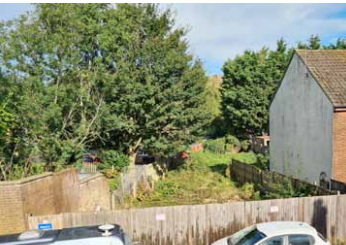
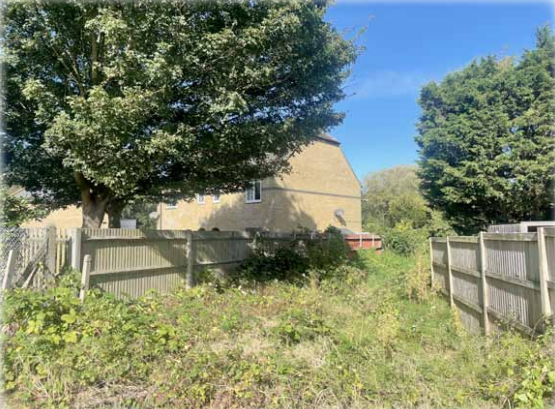
The project involves the construction of a new residential dwelling on a site currently comprising an open greenfield and a garage on Tufton Road, Ashford. To support the planning application for this development, a detailed flood risk assessment was required to evaluate the site’s vulnerability and establish appropriate drainage and flood mitigation measures.
Why the Client Chose RIDA
The client required specialist engineering support to navigate the complexities of national planning policies associated with building a new residential property near a main river. RIDA was selected for their technical expertise in delivering detailed flood risk assessments and their ability to provide clear, pragmatic mitigation strategies that ensure full compliance with planning regulations.
The Challenge
The primary constraint for the development was its location within Environment Agency Flood Zone 2, situated approximately 55 metres from the East Stour River, which indicates a medium probability of fluvial flooding. While the site exhibited a very low risk of surface water flooding and limited groundwater flood risk, local records indicated historical incidents of sewer flooding in the area. Additionally, as a ‘More vulnerable’ development with a 50-to-100-year design life, the project was required to strictly adhere to the National Planning Policy Framework (NPPF) sequential risk-based approach to ensure the long-term safety of its future occupants.
The RIDA Difference
RIDA conducted a detailed flood risk assessment to evaluate the fluvial and sewer flood risks, establishing robust, site-specific mitigation strategies. Assuming a potential design water depth of up to 300mm above ground level, RIDA recommended a ‘water exclusion strategy’ alongside a water entry strategy for higher depths. This was addressed by specifying flood-resilient construction materials, including engineering bricks, appropriately sealed concrete block foundations, cement-based mortars, and closed-cell insulation for pipes. RIDA also advised that all critical services and utility meters be raised above the predicted flood level. To manage surface water sustainably and mitigate local sewer flooding risks, the assessment outlined a Sustainable Drainage Systems (SuDS) strategy to attenuate runoff effectively. Finally, RIDA mapped out a safe evacuation route directing occupants to higher ground via Croft Road and Birling Road, and recommended the implementation of a formal Flood Warning and Evacuation Plan.
The Outcome
The detailed flood risk assessment successfully demonstrated that the new dwelling could be constructed safely and sustainably for its design life, without increasing flood risk to the surrounding area. By detailing the required resilient construction methods, SuDS implementation, and emergency egress routes, the report confirmed full compliance with NPPF guidelines and provided the robust technical evidence necessary to support the planning application.