The Willink School, School Lane, Burghfield Common, Reading
The Brief
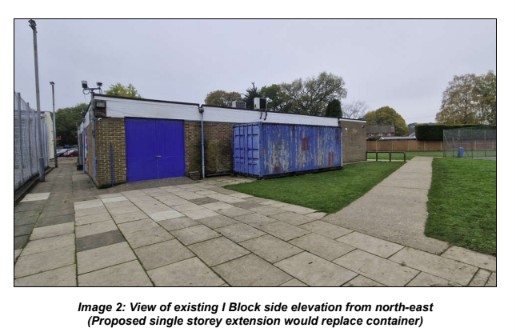
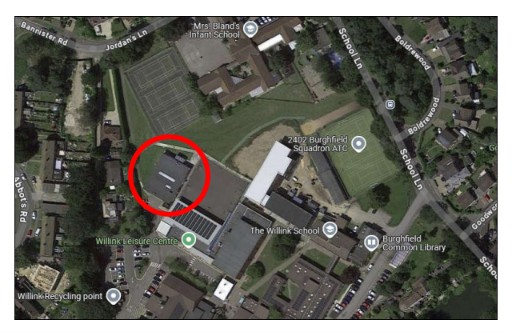
The project involved the construction of a single-storey rear extension to provide an additional classroom at The Willink School on School Lane, Burghfield Common. Situated on a former garden area, the proposed educational facility was classified as a ‘more vulnerable’ development with an estimated lifetime of 50 to 100 years.
Why the Client Chose RIDA
To support the planning application for the school’s expansion, the client required specialist expertise to carry out a detailed flood risk assessment. The goal was to demonstrate strict compliance with the National Planning Policy Framework (NPPF) and local policies, particularly concerning surface water management.
The Challenge
The site is located entirely within Flood Zone 1, indicating a low probability of fluvial flooding from the nearby Clayhill Brook. However, the assessment identified a high risk of surface water flooding, with potential water depths of up to 0.2m expected during extreme climate change scenarios. The primary constraint was ensuring that the new building footprint did not exacerbate these overland flows or increase flood risk to the school and surrounding areas.
The RIDA Difference
We undertook a detailed flood risk assessment to evaluate all potential sources of flooding. To directly address the high surface water risk, we developed a targeted Sustainable Drainage Systems (SuDS) strategy. Capitalising on the freely draining Landis Top Soil present at the site, we recommended the implementation of infiltration devices—such as soakaways and infiltration trenches—to safely accommodate the required attenuation volume and replicate the natural drainage regime. Furthermore, we outlined a robust flood management and evacuation plan to ensure the safe egress of school staff and pupils during extreme weather events.
The Outcome
The report successfully demonstrated that the new classroom extension would be safe for its operational lifetime and would not increase flood risk elsewhere. By providing a clear SuDS framework that ensures no net increase in the rate of surface water discharge, the assessment delivered the necessary evidence to support the school’s planning application and adhere to local authority standards.