

Call Us

01608 510 121

Email Us

admin@rida-reports.co.uk

Flood Risk Assessments, Flood Risk & Drainage Support for Architects

Flood risk assessments that inform design and support planning approval
Years Of Experience
0 +

RIDA Reports provides flood risk assessment planning support for architects designing developments across England. We work alongside architectural teams to translate flood risk constraints into clear, usable design inputs supporting feasibility, layout decisions, and planning submissions.

Our role is to ensure flood risk is properly understood early, assessed proportionately, and clearly documented so that designs can progress with confidence through the planning process.

Our Flood Risk & Drainage Services for Architects

Flood Risk Assessment Planning Support

Flood risk assessments for planning are prepared to support architectural design and planning approval. Each assessment provides architects with clear, site-specific insight into:
Assessments are written to support both design development and planning review.

Drainage Strategy & Design Integration

Drainage strategies are developed to align with architectural layouts and feasibility studies. Services include:
Our input helps avoid late-stage redesign caused by drainage or flood constraints.

River Modelling & Design-Led Technical Input

Where sites are constrained by watercourses or floodplains, additional technical input may include:

This supports design-led solutions rather than reactive planning fixes.

Our Data Advantage - Informing Better Design Decisions

Comprehensive Flood Risk Data

  • National flood datasets covering all flood sources
  • Local flood models where available
  • Interpretation focused on design relevance rather than raw data


This enables architects to understand constraints early and design with resilience in mind.

Enhanced London Flood Data

  • Full Product 6 flood level data for Greater London
  • Improved resolution for dense urban and infill sites
  • Particularly valuable where finished floor levels are critical

Our Experience

An interactive map can be used to demonstrate:
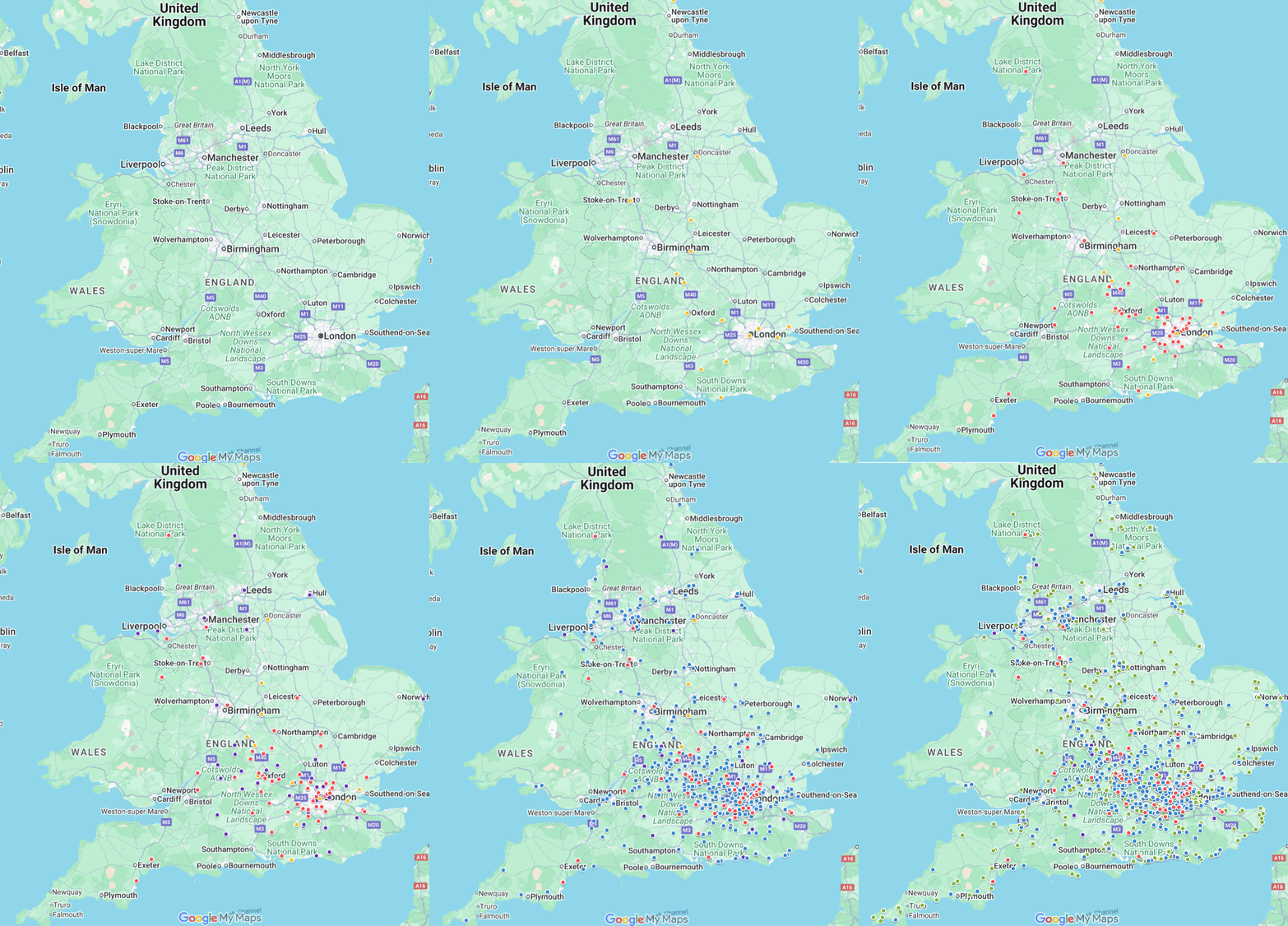
  • Architectural projects supported by flood risk input
  • Range of development types assessed
  • Geographic coverage across England

Our Process

Step 1

Design Brief & Planning Context

Architects provide site details, drawings, and planning objectives.

Step 2

Flood Risk Review & Planning Assessment

Flood risk is assessed in the context of the proposed design and planning requirements.

Step 3

Drainage & Design Integration

Drainage and mitigation measures are identified and aligned with layout, levels, and access.

Step 4

Planning-Ready Documentation & Support

Flood risk assessment planning documentation is typically delivered within 48 hours, with drainage strategies completed within 5 working days where scope allows. Ongoing technical support is provided as designs evolve.

Why Architects Choose RIDA Reports

Design-Informed Flood Risk Assessments

  • Clear translation of flood risk into design constraints
  • Support for layout, levels, and resilience decisions
  • Reduced risk of late-stage redesign
  • Prompt turnaround to support iterative design and avoid late-stage redesign

Planning-Focused Technical Clarity

  • Assessments aligned with planning policy and review expectations
  • Clear justification of mitigation measures
  • Improved confidence at validation and determination stages

Collaborative Technical Support

  • Responsive input during design development
  • Clear communication with planners and consultees
  • Practical, design-led advice

Interactive Map: Architectural Projects We’ve Supported

Explore completed flood risk assessments and drainage designs across the UK.

Our Clients

Frequently Asked Questions - Architects

Flood risk assessment planning helps identify constraints early, ensuring designs are compliant, resilient, and suitable for planning approval.

Yes. Flood risk can affect access, finished floor levels, and building form, particularly on constrained sites.

Yes. Early input helps avoid redesign and reduces planning risk later.

Yes. We provide ongoing technical support as designs evolve and planning queries arise.

Fast turnaround available to support tight design and planning programmes