
Flood Risk Assessment for Basements
Our flood risk assessments for basements are completed by testing site-specific scenarios and figure out your basements’ risk of flooding and provide mitigating measures to prevent flooding.
We weill aspect all sources of flooding, analyse your current drainage systems, check historical data, perform GIS modelling and recommend designs and installation for protection and prevention.
Our initial flood risk assessment report within 48 hours to keep your project on schedule.
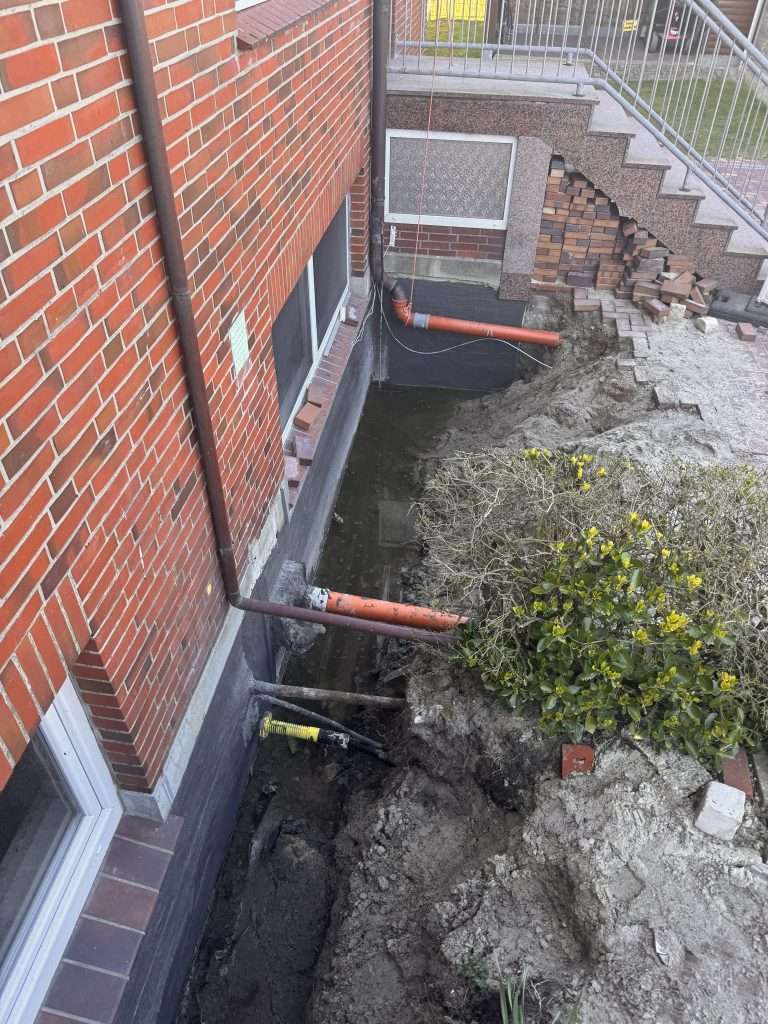

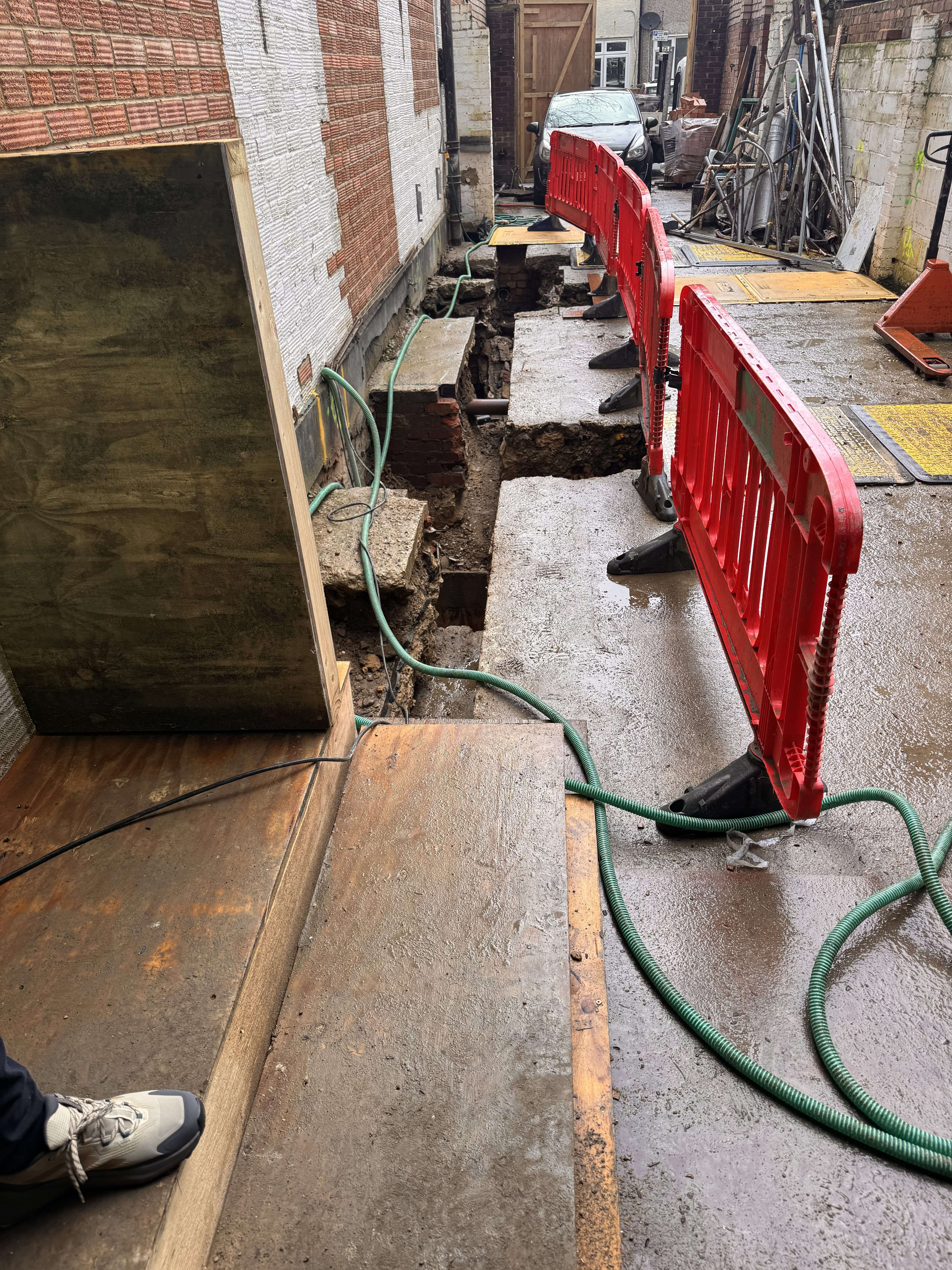
Requirements of a Flood Risk Assessment
Flood risk assessment for basements is a technical report submitted along with the planning application when the basement development is proposed in an area with flood risk. The flood risk could be due to:
- Development is in a flood zone 2 or 3
- Development at risk of surface water flooding according to the RoFSW map
- Development in an area with critical drainage and groundwater issues
- Development can increase the risk of flooding elsewhere
In addition to an FRA, your local planning authority might require a Basemenet Impact Assessment ( BIA) for planning permission. An FRA is a national requirement for assessing the risk of flood; BIA, on the other hand, looks at the much bigger picture.
Our Clients






Basement Impact Assessment
A BIA considers:
- How the basement construction could affect the surroundings
- How will it change the groundwater flow
- Impacts on drainage patterns
- Potential effects on neighbouring properties and infrastructure
A basement Impact assessment is not a substitute for Flood risk assessment for basements
and vice versa. RIDA Reports specialise in basement FRAs and BIAs.We identify all flood sources and propose controls so your basement stays dry and your application meets approval.
Our drainage solutions include:
- Passive drainage designs
- Pumping systems for developments in low-lying areas
- Waterproof membrane installation
- Raised flood levels to prevent flooding
- Sustinable drainage Systems ( SuDS)
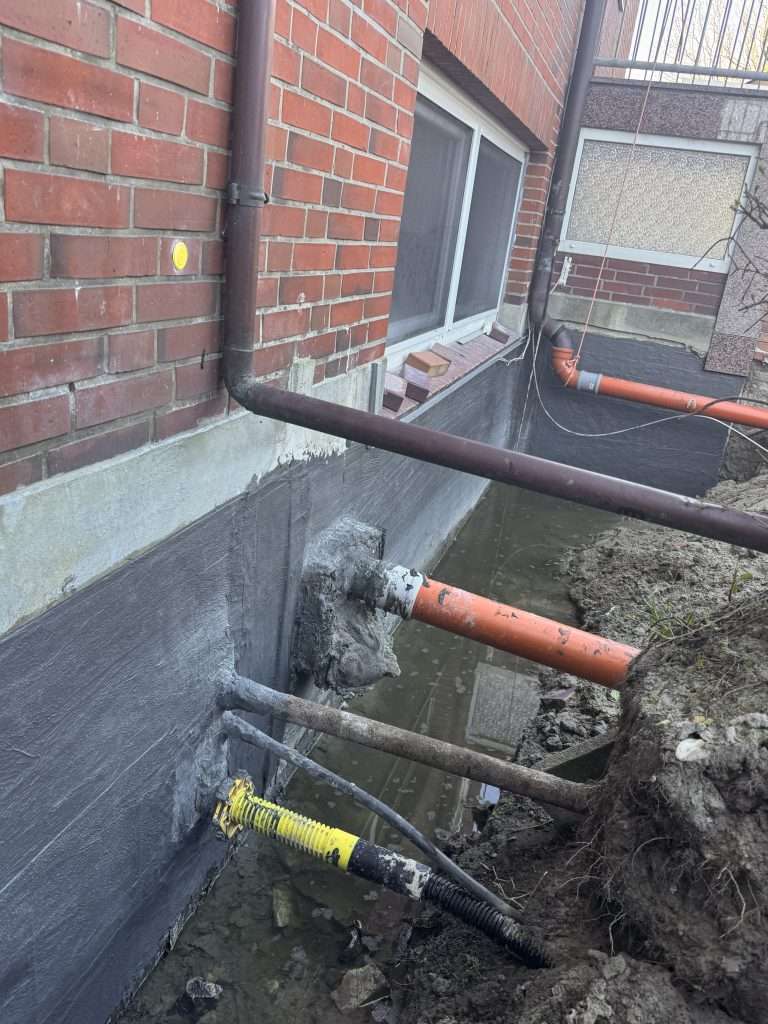
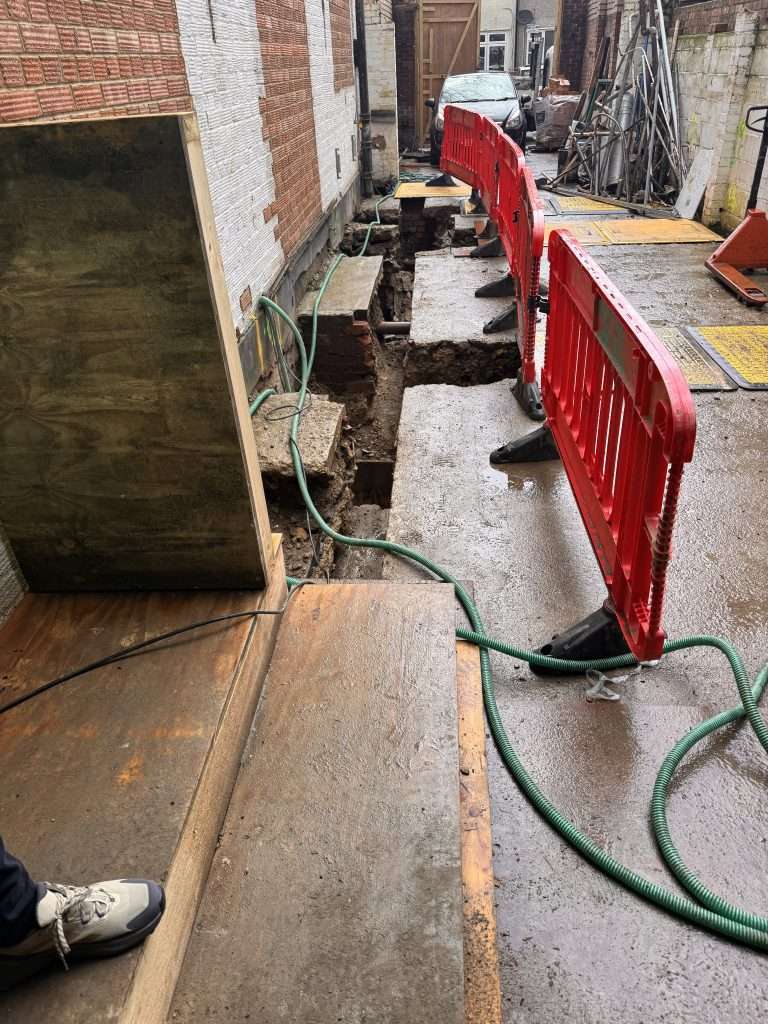
Basement Flooding: Causes and Prevention
Basement flooding is caused by water entering from below or around the property. The most common causes are:
- A high groundwater table that seeps through cracks
- Heavy surface water runoff
- Sewer blockage and backups during storms
The first warning signs of groundwater flooding could be repeated sump pump activity or random damp patches. There are multiple ways to prevent basemenet flood, such as:
- Sealing all cracks
- Installing a waterproof membrane
- Insure working of drainage systems
- Installing a good-quality sump pump
When Flood Risk Assessment for Basements Becomes Mandatory in the UK
A flood risk assessment for basements becomes mandatory if you site is:
- Located in flood zone 2 or 3, defined by the endvirmenet agency flood map for planning
- It could be required for a site in flood zone 1 if it’s 1 ha or bigger
- Major developments, such as residential basement extensions
- Local planning authorities may mandate an FRA if the proposed work could affect a watercourse, culvert, or existing flood defence.
Government guidance states that FRAs are required for minor developments, and they also include most residential basement developments or extensions in high-risk flood zones.
If you are not sure whether your development needs an FRA or not, you can contact us at RIDA Reports, and we will guide thought the entire process and streamline your planning.
When Basement Impact Assessment Becomes Mandatory
A basement Impact assessment is specified by your planning authority and is particularly mandatory in urban areas like London boroughs. Triggers for BIA include:
- New or extended basement excavation that could affect the structural stability of surrounding properties
Councils such as Camden, Westminster, and Southwark have specific policies (e.g., Policy A5) that require a BIA for subterranean works. In most cases, all basement proposals first undergo a screening assessment that identifies potential risks.
If this screening identifies risks regarding land stability, groundwater flow, or neighbour amenity, a full BIA is then required. Because there is no single national standard, the requirement is often driven by local Supplementary Planning Documents (SPD).
Should FRA and BIA Reports Be Submitted Together?
Planning applicants are often required to submit both the FRA and BIA as part of their planning application.
The local planning authorities prefer to review all technical documents simultaneously.
And it is actually much better for applicants to submit a complete application to avoid delay, refusal and reviews.
We at RIDA Reports generate compliant assessment reports and also guide our clients throughout the process so they miss nothing in the application and meet their planning goals fast and securely!
Why Choose RIDA Reports for Basement Projects
RIDA Reports ii based in the UK and specialises in flood and drainage solutions.
We provide tailored flood risk assessment and Basement Impact Assessment services performed by chartered engineers and hydrogeologists.
Our reports are compliant with the Environmental Agency and local planning guidance, and we deliver the initial draft within 48 hours.
We use advanced technical modelling, including soil structure interaction (SSI), to analyse how your development will interact with the soil and neighbouring foundations.
We also conduct detailed slope stability assessments for projects located on gradients.
We analyse soil behaviour and pore water pressure to confirm that the development will not trigger landslips or stability failures.
Since slope stability assessment is a vital component of a BIA, our engineer designs reinforced earth sloped amd remedial works for failed inclines.
We also investigate the site to understand the geotechnical parameters and hydrology to propose cost-effective alternatives, such as the observational method or specialised propping schemes.
Our fees are fixed and transparent, and we provide a range of services from basic flood appraisal to flood risk assessment for major developments.
Our chartered engineers perform 1D and 2D hydraulic modelling and create a policy complaint planning ready report.
Whether you’re planning a simple conversion or a complex new basement, our team can help
What you should know about Basement Conversion
As we are talking about a basement, we also want to cover basement conversion in the UK.
A basement conversion: in the UK typically means converting an existing cellar or excavating a new basement under a building.
Planning regulations apply to basement conversions as well.
Simple conversion of an existing basement usually falls under permitted development (no increase in volume or major structural work).
But creating a new below-ground basement always required full planning consent.
You usually need to provide structure design and drainage design with your application, and if the site is 1 ha or bigger or is in flood zone 2 or 3, you will be asked to submit a FRA and often a BIA for planning permission.
Basement Conversion
Basement conversions are complex projects and,d depending upon the scope,e may take months.
A basement conversion typically takes 6-20 weeks. Given these stakes, it is always wise to factor flood risk studies.
An FRA/BIA by RIDA Reports saves cost by catching problems early, identifying unsuitable soil or extremely high water tables before work begins) and provide mitigation strategies.
We work with homeowners, architects, planners and developers to integrate the FRA into the overall basement design.