
Tesco’s Raised Car Park: Lessons for Flood Risk Assessments and Planning Permission
A look at how a car park scheme in a flood-hit site won planning approval, and what it means for flood risk assessments on commercial development.

Flood risk assessment planning approval can be granted even when technical consultees object, as shown by a raised car park scheme approved on a flood hit site despite objections from the Lead Local Flood Authority (LLFA) and council drainage engineers. Planning officers judged that flood resilience and access benefits outweighed the fact the scheme did not meet all national drainage standards, and approval was granted subject to conditions. This case illustrates how the planning balance, flood risk assessment requirements, and drainage standards interact in practice for commercial development in flood zones.
Key takeaways
- A site specific flood risk assessment is required for sites in Flood Zones 2, 3 or 3b, or in Flood Zone 1 at 1 hectare or more.
- Arun District Council approved the Bognor Regis car park scheme despite objections from West Sussex County Council’s lead flood authority and the council’s own drainage engineers, judging that flood resilience and access benefits outweighed the drainage concerns.
- National SuDS standards published in June 2025 set minimum drainage and maintenance requirements, with discharge to combined sewers only as a last resort.
- Approval is often subject to pre commencement conditions, and work cannot lawfully start until these are formally discharged.
- Lost flood storage should normally be replaced through onsite level for level compensatory storage rather than relying on stilts or voids.
What happened at the flood hit Tesco site
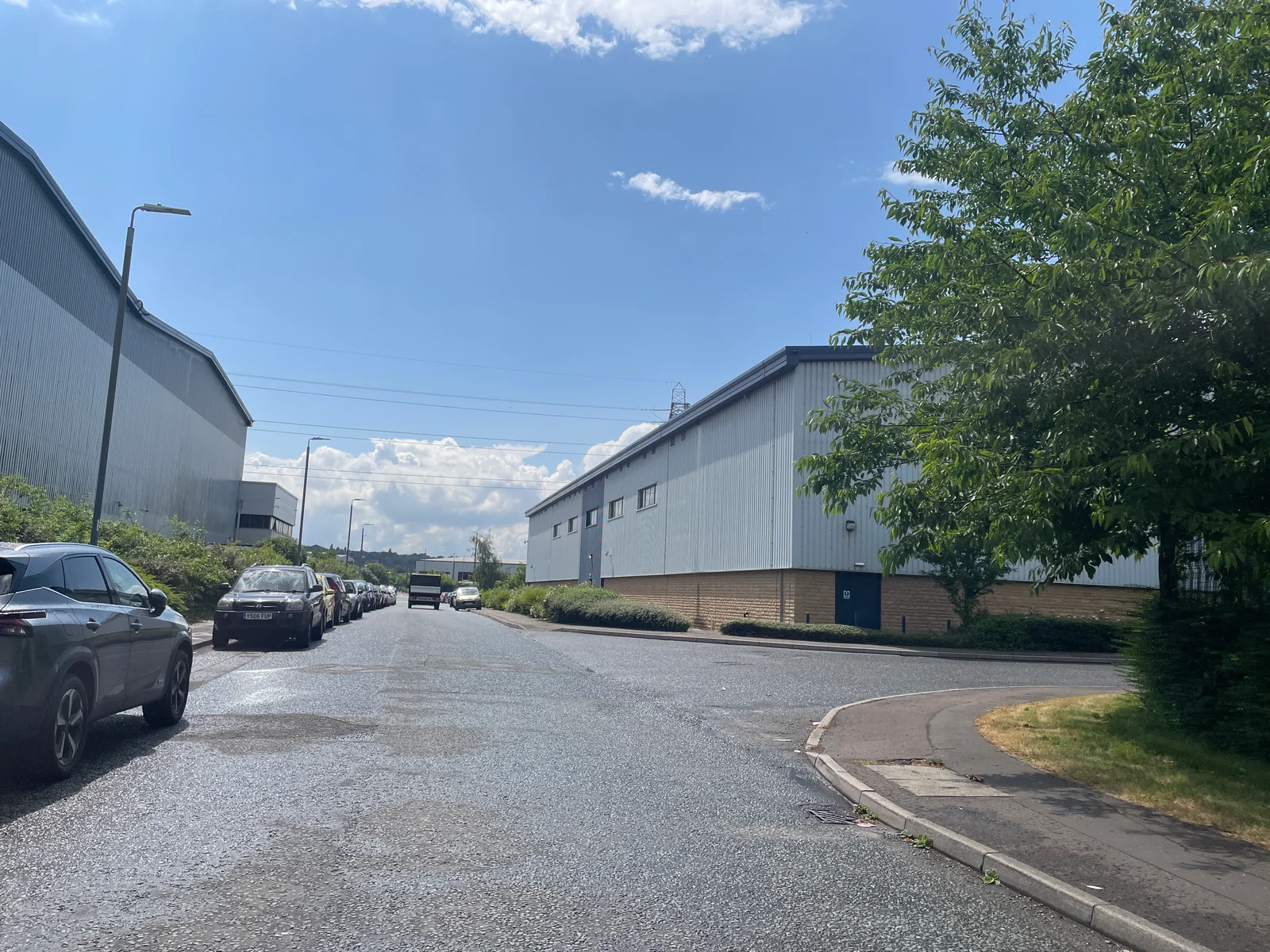
Arun District Council has approved a raised car park scheme at a Tesco store on Shripney Road in Bognor Regis, a site with a history of flooding, despite objections from council drainage specialists. The approved design raises some car park spaces by 2m (6ft 6in), allowing customers to park there during periods of flooding.
The new deck proposed deck accommodates 191 spaces, including 22 disabled bays and 18 parent and child spaces. The scheme also includes drainage upgrades, such as a new outlet into the Aldingbourne Rife, and the planting of 36 trees.
Both West Sussex County Council’s lead flood authority and Arun District Council’s drainage engineers objected, citing concerns over flood risk, drainage standards and longterm maintenance. Planning officers concluded the scheme would improve drainage by reducing water discharge into the river, and judged that the flood resilience and access benefits outweighed the fact it did not meet all national drainage standards.
The bottom line: Approval was granted subject to conditions, including detailed drainage plans and measures to offset any loss of floodwater storage, before work can begin. The case shows that mitigation design can satisfy planning officers even where technical consultees object.
Can you get planning permission for a car park in a flood zone?
But this does not remove the need to work through the Sequential Test and, where relevant, the sequential Test.
The Sequential Test steers development to areas with the lowest flood risk. In most cases a car park is allowed in the proximity of the development if it directly related to the activities of the sites. However a sequential approach is required to locate the car park at the lowest risk of flooding.
Where the Exception Test applies, the applicant must demonstrate that the development provides wider sustainability benefits to the community that outweigh flood risk, and that it will be safe for its lifetime without increasing flood risk elsewhere. Recognised benefits include reuse of brownfield land, an overall reduction in flood risk to the wider community, and SuDS that significantly exceed policy requirements.
Development proposals should not present a risk from flooding to potential occupiers, users, or visitors, and should not increase flood risk elsewhere.
What flood risk assessment is needed for commercial development approval
A site specific flood risk assessment (FRA) is required to accompany planning applications for development in areas at risk of flooding. A flood risk assessment is required for development within Flood Zones 2 or 3, within Flood Zone 3b, or within Flood Zone 1 with a site area of 1 hectare or more.
- Model the fluvial flood risk and the design flood for surface water, defined as an event with a 1 in 100 annual probability plus an allowance for climate change
- Assess the upper end climate change allowances for both the 1% and 3.3% annual exceedance probability events for the 2070s epoch
- For major development with surface water drainage, consult the Lead Local Flood Authority
- Where the Environment Agency must be consulted under Schedule 4 of the 2015 Development Management Procedure Order, build in time for that response
Getting planning permission does not guarantee a developer will also get a flood risk permit or consent, which are often needed separately and should be scoped early.
Why raised car park design features as mitigation
Raising some car park spaces by 2m at Bognor Regis, as approved by Arun District Council, allows customers to continue parking there during periods of flooding. Raised finished floor levels should be paired with flood resistant materials and design, with any associated impact on flood risk elsewhere assessed and mitigated.
Where flood storage is lost as a result of development, on site level for level compensatory storage, accounting for climate change impacts over the development’s lifetime, should normally be provided. Stilts and voids below buildings should not normally be relied upon for this, because voids do not allow water to freely flow through them and can become blocked or silted up.
SuDS for major development need appropriate minimum operational standards and maintenance arrangements to ensure acceptable performance for the development’s lifetime. The national SuDS standards, published in June 2025, also make clear that surface water should be discharged to combined sewers only as a last resort.
Why would planners approve a scheme despite flood risk concerns
The Bognor Regis case shows how planning balance works in practice. A raised car park scheme at a Tesco store on Shripney Road was approved by Arun District Council despite objections from council drainage specialists. Both West Sussex County Council’s lead flood authority and Arun District Council’s drainage engineers objected, citing concerns over flood risk, drainage standards and longterm maintenance.
Planning officers said the scheme would improve drainage by reducing water discharge into the river and judged that flood resilience and access benefits outweighed the fact it did not meet all national drainage standards.
The bottom line: Planning officers approved the car park despite objections from drainage specialists, judging that the flood resilience and access benefits outweighed those concerns, with approval granted subject to conditions including detailed drainage plans and measures to offset any loss of floodwater storage.
This does not mean objections are ignored. All local planning authorities should notify the Environment Agency of the decision on any planning application where the Agency has objected on flood risk grounds, and the Agency publishes an annual list of such cases, indicating whether its advice was followed.
Need a Flood Risk Assessment? RIDA Reports can prepare the flood risk assessment and drainage evidence your planning application needs.
Get in TouchWhat drainage standards apply to car parks in flood prone areas
Car park schemes in flood zones are judged against national SuDS standards. National standards for sustainable drainage systems were published in June 2025, providing a comprehensive seven complementary standards for the design, operation and maintenance of SuDS in new development. They make clear that surface water should be discharged to combined sewers only as a last resort, to help alleviate pressure on sewers and reduce storm sewer overflows.
For greenfield developments, the peak runoff rate to any highway drain, sewer or surface water body for the 1 in 1 year and 1 in 100 year rainfall events should never exceed the peak greenfield runoff rate for the same event. SuDS for major development also need appropriate minimum operational standards and maintenance arrangements, to ensure an acceptable standard of operation for the lifetime of the development.
The Bognor Regis scheme illustrates the attenuation and storage expectations this creates in practice.
Deck capacity191 spaces
The new deck provides an additional 191 parking spaces, including 22 disabled bays and 18 parent and child spaces, raised clear of normal flood levels.
Where flood storage is lost as a result of development, on site level for level compensatory storage, accounting for climate change impacts over the development’s lifetime, should normally be provided. Techniques such as stilts and voids below buildings should not normally be relied upon for this, because voids do not allow water to freely flow through them and can become blocked or silted up.
How are flood risk planning conditions enforced after approval

Approval of the Bognor Regis scheme was granted subject to conditions, including detailed drainage plans and measures to offset any loss of floodwater storage, before work can begin. Development carried out without having complied with a pre commencement condition would be unlawful and may be subject to enforcement action by the local planning authority.
- Pre commencement conditions setThe decision notice lists what must be submitted and approved before any work starts, such as detailed drainage plans and compensatory storage measures.
- Discharge of conditions applicationThe developer submits the flood risk assessment to the local planning authority, which is statutorily required to consult the Environment Agency for developments in certain flood risk areas before granting planning permission.
Carrying out development without required planning permission, or failing to comply with any condition or limitation attached to a planning permission, constitutes unauthorised development that can be subject to local planning authority enforcement action, which may require removal of buildings or works or cessation of an activity.
- Confirm which conditions are precommencement before programming any site works.
- Submit discharge of conditions applications with full technical detail to avoid delay.
- Keep records of EA and LLFA sign off for every discharged condition.
What this means for developers assessing similar sites
The Bognor Regis scheme was approved despite objections from council and lead flood authority drainage specialists over flood risk, drainage standards, and maintenance. Planning officers weighed the flood resilience and access benefits against the fact that the drainage upgrades did not meet all national standards, and approved the application subject to conditions. For developers facing similar sites, the lesson is not that standards are optional, but that evidence and early engagement determine whether an exception can be justified and conditions can be met.
Three practical points follow for any commercial scheme in a flood zone.
- Engage early on the flood risk assessmentWhere surface water or other local flood risks are likely to significantly affect a site, early discussions with the planning authority help identify the issues the FRA must address before an application is submitted.
- Build robust modelling evidenceAssessments should cover the design flood for surface water and the upper end climate change allowances for both the 1% and 3.3% annual exceedance probability events in the 2070s epoch, so objections can be answered with data rather than assertion.
The bottom line: A scheme can still fail at the conditions discharge stage even after planning approval, so the technical evidence behind the FRA matters as much as the planning narrative.
Frequently Asked Questions
Can you get planning permission for a car park in a flood zone?
Car parks are generally treated as ‘less vulnerable’ uses under the NPPF flood risk framework, making them easier to justify in higher risk flood zones than uses like housing. However, the Sequential Test still applies, and the Exception Test may also apply, meaning developers must show wider sustainability benefits and that the site will be safe for its lifetime without increasing flood risk elsewhere.
What flood risk assessment is needed for commercial development approval?
A site specific flood risk assessment is required for development in Flood Zones 2 or 3, Flood Zone 3b, or Flood Zone 1 sites of 1 hectare or more. It must model fluvial flood risk and the design flood for surface water, including upper end climate change allowances for the 1% and 3.3% annual exceedance probability events for the 2070s epoch, and major development must consult the Lead Local Flood Authority.
Why would planners approve a scheme despite flood risk concerns?
Planning officers can grant permission against the objections of technical consultees such as the Environment Agency or Lead Local Flood Authority if they judge the wider benefits of a scheme sufficient under the NPPF paragraph 11 presumption in favour of sustainable development. In the Bognor Regis case, officers judged that flood resilience and access benefits outweighed the fact the scheme did not meet all national drainage standards, provided conditions addressed the specific concerns raised.
What drainage standards apply to car parks in flood prone areas?
Car park schemes are judged against the national SuDS standards published in June 2025, which set a seven point framework for design, operation and maintenance, and state that surface water should only be discharged to combined sewers as a last resort. For greenfield sites, peak runoff rates for the 1 in 1 year and 1 in 100 year events should never exceed the peak greenfield runoff rate for the same event, and any lost flood storage should normally be replaced on a level for level basis.
How are flood risk planning conditions enforced after approval?
Conditions such as detailed drainage plans and compensatory storage measures are typically pre commencement, meaning a developer cannot lawfully start construction until the local planning authority has formally discharged them. Enforcement sits with the local planning authority under the Town and Country Planning Act, and starting work before conditions are discharged can lead to enforcement action, including requirements to undo unauthorised works.
Sources
- Flood-hit Tesco in Bognor wins approval for raised car park
- Flood and coastal erosion risk management annual report
- Use of planning conditions
- Flood risk assessment: Flood Zones 1, 2, 3 and 3b
- Flood risk and coastal change
- Flood risk assessments: climate change allowances
- National flood risk standing advice for local planning authorities
- Enforcement and post-permission matters
Recommended sources
Planning a Development in a Flood Zone?
Talk to RIDA Reports about a flood risk assessment that gives planners and drainage consultees the evidence they need.
Contact RIDA Reports